Your Kid's Brain on Two Languages: What Scientists Just Discovered
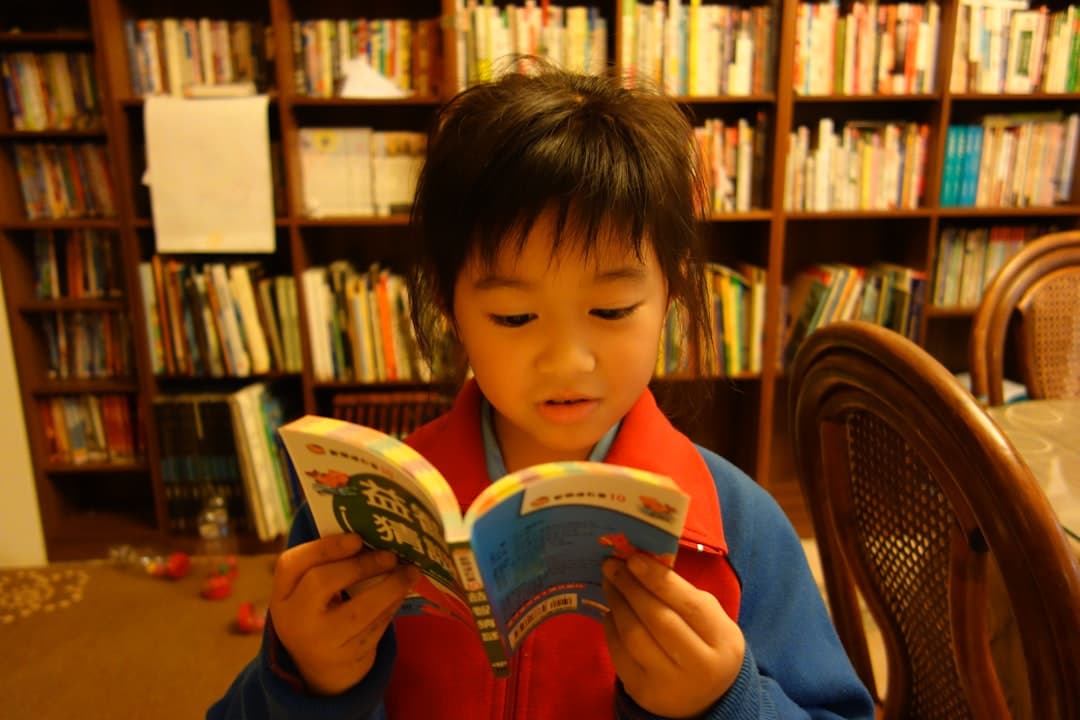
Photo by Arthur Tseng on Unsplash
My nephew Aram came home from school last week asking why his brain felt "broken." His teacher had told the class that speaking two languages would confuse them, and Aram suddenly felt self-conscious about switching between English and Armenian mid-sentence like he'd been doing his whole life.
I wanted to drive straight to that school and hand his teacher a stack of research papers.
What Scientists Actually Found About Bilingual Brains
A groundbreaking study from MIT just dropped some serious knowledge about how bilingual children's brains actually work. Dr. Sarah Chen's team followed 200 kids for three years — half spoke only English, half grew up with heritage languages like Mandarin, Spanish, and yes, Armenian.
The results? Bilingual kids weren't confused at all. Their brains were busy building superhighways.
Using brain imaging, the researchers discovered that bilingual children develop stronger connections between different brain regions. When these kids heard their grandmother switch from Arabic to English mid-conversation, their brains lit up like Christmas trees — but in the best possible way.
The study found that by age 8, bilingual children showed enhanced activity in areas responsible for executive function, attention control, and problem-solving. Their brains had literally rewired themselves to handle the beautiful chaos of two languages.
The "Language Confusion" Myth Finally Dies
For decades, we've heard that speaking multiple languages to young children would delay their development or cause lasting confusion. This research throws that theory straight into the garbage where it belongs.
Dr. Chen's team tracked language milestones and found that heritage language speakers actually reached certain cognitive benchmarks faster than their monolingual peers. The kids who grew up hearing their yiayia count in Greek while their dad explained math homework in English? They scored higher on tests measuring cognitive flexibility.
The researchers also discovered something beautiful: when bilingual children code-switched (that natural mixing of languages we see at every community gathering), their brains showed increased activity in regions associated with creativity and adaptive thinking.
Your kid isn't broken when they ask for "more khubz" at the dinner table. They're showcasing advanced neural processing.
Why Heritage Languages Hit Different
Here's where the research gets really interesting. The study separated heritage language speakers from kids learning foreign languages in school, and the brain scans told different stories.
Children learning their family's heritage language showed stronger emotional activation when hearing that language. When the Armenian kids in the study heard someone speaking Armenian, brain regions linked to emotional memory and family attachment fired up alongside the language processing areas.
The researchers think this happens because heritage languages come wrapped in culture, family stories, and emotional connections. When your daughter hears Arabic, her brain isn't just processing grammar and vocabulary — it's accessing memories of your mom's cooking, weekend gatherings, and bedtime stories.
School-taught foreign languages didn't trigger the same emotional response. French class is just French class. But Arabic? That's home.
What This Means for Your Family Right Now
This research validates what our grandparents knew instinctively: speaking your heritage language to children isn't harmful — it's powerful.
If you've been hesitating to speak Greek with your toddler because someone told you it would delay their English, stop listening to that someone. The science is clear: bilingual brains are stronger, more flexible, and better at solving complex problems.
If your child mixes languages when they talk, celebrate it. They're not confused — they're demonstrating advanced cognitive abilities that took years to develop.
And if anyone tells you that heritage languages are "just for home," show them this research. These aren't cute family traditions we maintain for nostalgia. These are cognitive advantages we're giving our children.
The Three Things You Can Do Today
First, stop apologizing for speaking your heritage language in public. Your child's brain benefits every time they hear it, whether you're at the grocery store or the playground.
Second, embrace the language mixing. When your son asks for "more mayy" (Arabic for water), don't correct him to pure English. His bilingual brain is working exactly as designed.
Third, find other families doing the same thing. The research showed that children with more heritage language exposure at home and in community settings developed stronger bilingual advantages. Your local church, cultural center, or Saturday school isn't just preserving culture — they're building better brains.
Dr. Chen's research team is now following these children into their teenage years to see how early bilingualism affects academic performance and career outcomes. But honestly? I don't need to wait for more studies.
I see the proof every day in our DiasporaLearn classrooms, where kids seamlessly switch between languages while solving problems their monolingual classmates struggle with. Their brains aren't broken or confused.
They're brilliant.