The 15-Minute Rule That Changed Everything in Our House
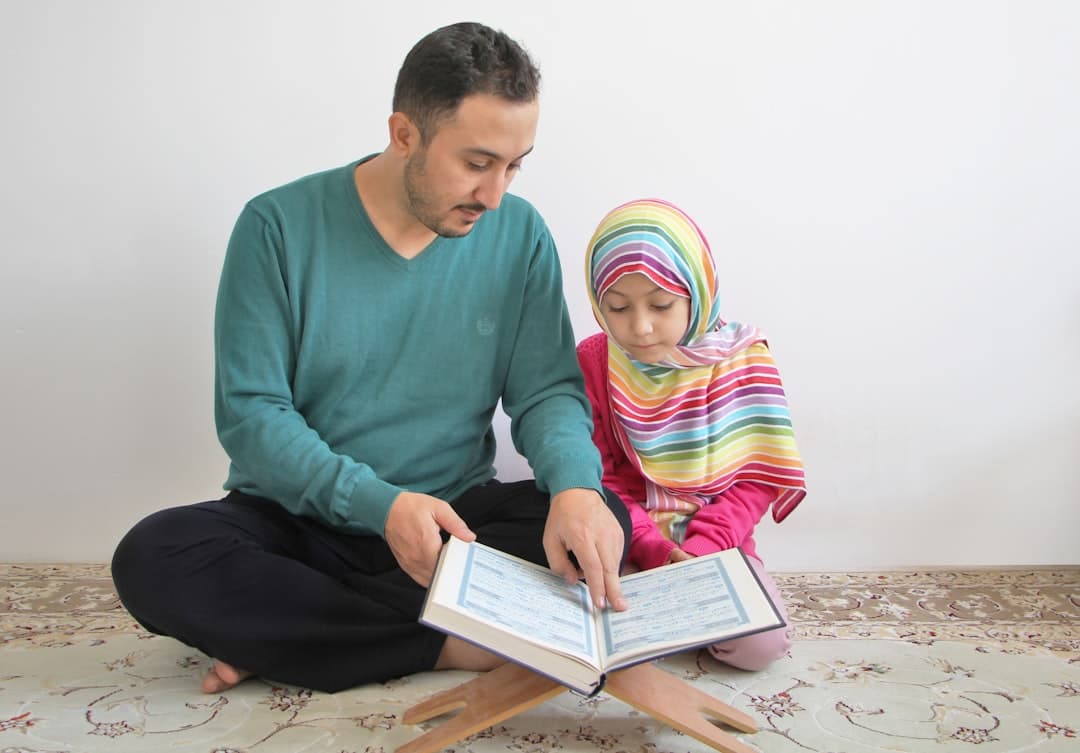
Photo by Hasan Almasi on Unsplash
My nephew Karim used to hide under the dining room table whenever his mom brought out the Arabic workbooks. Not joking — actual hiding, complete with dramatic sighs and claims that his stomach suddenly hurt.
Sound familiar?
His mom Layla tried everything. Bribery with knafeh. Threats about missing PlayStation time. Even those colorful Arabic alphabet posters that somehow make the letters look like cartoon characters having an identity crisis.
Nothing worked until she stumbled onto what we now call the 15-minute rule in our family.
The Magic Number That Actually Works
Here's the thing about heritage language learning that nobody talks about: consistency beats intensity every single time.
Layla was doing hour-long Arabic sessions twice a week, turning their kitchen table into a battlefield. Karim would get overwhelmed, she'd get frustrated, and by the end, they were both ready to throw the textbooks out the window.
Then she switched to 15 minutes. Every single day. No exceptions, no negotiations.
The first week, Karim still whined. But here's what happened: he couldn't build up the same level of dread about 15 minutes that he could about an hour. It was over before his resistance really kicked in.
Why 15 Minutes Is the Sweet Spot
I've watched this work with dozens of families now, across all three languages on our platforms. There's something almost magical about that 15-minute mark.
It's short enough that kids can't mount a full rebellion. Long enough to actually accomplish something meaningful. And — this is key — it fits into the chaos of real family life.
You can do 15 minutes while dinner's in the oven. During the car ride to soccer practice (if someone else is driving). Right after breakfast before the day gets completely insane.
What Those 15 Minutes Should Look Like
This isn't about cramming grammar rules or drilling vocabulary flashcards. The 15-minute rule works because it focuses on connection, not perfection.
Monday, Wednesday, Friday: Interactive activities. Songs, games, storytelling. Layla started with simple Arabic nursery rhymes she remembered from her own childhood. Karim thought they were silly at first, but silly beats scary every time.
Tuesday, Thursday: Real-world connection. Looking at family photos while talking about relatives in Arabic. Cooking something simple while naming ingredients. Watching 15 minutes of Arabic cartoons (yes, they exist and they're surprisingly good).
Weekends: Free choice. Sometimes Karim picks the activity. Sometimes it's review time. Sometimes they just chat about his week, mixing English and Arabic naturally.
The Breakthrough Moment
Three months in, something shifted. Karim stopped hiding under the table. Started asking what certain Arabic words meant when he heard them at the mosque.
Then came the night that changed everything: he asked his mom to tell him a bedtime story in Arabic.
Not because he had to. Because he wanted to.
Making It Work for Your Language
The 15-minute rule adapts beautifully whether you're teaching Armenian, Greek, or Arabic at home.
For Armenian families: Use those 15 minutes to explore the incredible children's songs and stories. Start with "Krunk" (the crane song) — it's catchy enough that kids end up humming it without realizing they're practicing Armenian.
For Greek families: Make it interactive with simple games like "Ti einai afto?" (What is this?) around the house. Greek has such expressive words for everyday objects — your kids will love learning that a butterfly is a "petalouda."
For Arabic families: Lean into the rhythm of the language. Arabic is musical in a way that kids naturally respond to. Even 15 minutes of listening to age-appropriate Arabic songs can work wonders.
The Real Secret Ingredient
Here's what makes the 15-minute rule actually work: you have to commit to it completely. No skipping days because you're tired. No extending it to 30 minutes because things are going well (trust me on this one).
Fifteen minutes. Every day. No matter what.
Your kids will test you. They'll claim they're too busy, too tired, too whatever. Hold the line. The consistency is what builds the habit, and the habit is what builds the connection to the language.
After six months, something beautiful happens. Those 15 minutes stop feeling forced and start feeling like family time. Your kids might even start asking for a few extra minutes.
But don't give in too quickly. Let them want more. That's how you know it's really working.
Start Tomorrow (Seriously)
Pick your 15 minutes. Same time every day works best — right after school, before dinner, first thing in the morning. Whatever fits your family's rhythm.
Don't wait for the perfect curriculum or the right workbooks. Start with what you have: your voice, your memories, maybe a few songs you remember from your own childhood.
The heritage language resources on DiasporaLearn can help fill in the gaps, but the magic happens in those daily 15 minutes of connection between you and your kids.
Karim's now 12 and reads Arabic chapter books for fun. His mom still can't believe the transformation that started with hiding under a table and a simple rule about time.
Your kids might surprise you too.