The Heritage Language Camp That Changed Everything
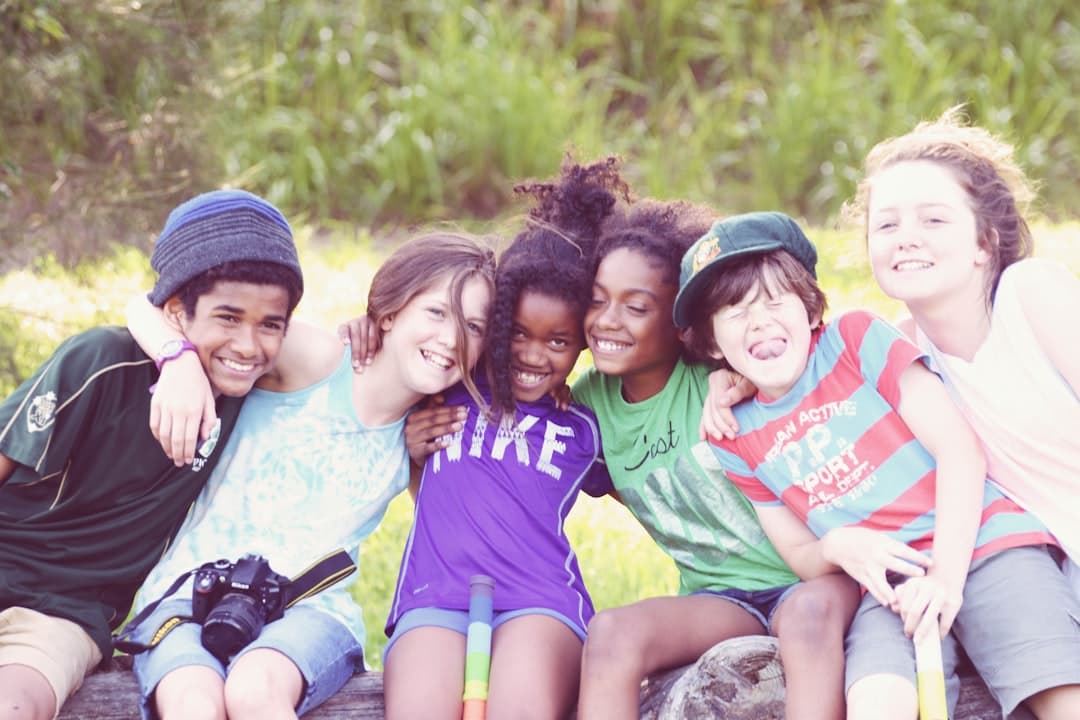
Photo by Cybèle and Bevan on Unsplash
My friend Nayiri called me last August, practically shouting into the phone. "Deepy, you won't believe what happened at camp pickup today. My son — you remember Aram, the one who rolls his eyes every time I speak Armenian? — he ran up to me speaking full sentences in Western Armenian. Not just 'parev' or 'shnorhakalutyun,' but actual conversations about his art project and the khachkar they built together."
I thought she was exaggerating. This was the same kid who pretended not to understand when his grandmother visited from Beirut just six months earlier.
But Nayiri wasn't exaggerating. She'd discovered something special: the Heritage Bridges Summer Camp in Fresno, California — a program that's quietly revolutionizing how diaspora kids connect with their languages and cultures.
What Makes Heritage Bridges Different
Most summer camps teach kids to make friendship bracelets and sing campfire songs. Heritage Bridges takes a completely different approach. Founded by three diaspora parents (Armenian, Greek, and Persian), the camp creates an environment where speaking your heritage language isn't something you do for adults — it's how you communicate with your peers.
Here's their secret: they group kids not by age, but by heritage language proficiency. A shy 8-year-old Armenian speaker might be paired with a confident 12-year-old who's also learning to read Armenian script. The older kids become natural mentors, and the younger ones see living proof that being bilingual is actually cool.
The camp runs for two weeks every July, serving about 150 kids from Armenian, Greek, Arabic, Persian, and Turkish families. But what caught my attention wasn't just the languages — it was their results. According to their internal survey, 87% of campers continued using their heritage language at home after camp ended. That's unheard of in our community.
Beyond Language Classes: Cultural Immersion That Actually Works
Traditional heritage language programs often feel like school extension — more homework, more sitting in rows, more grammar drills. Heritage Bridges throws that model out the window.
Instead of formal language classes, kids participate in "cultural workshops" entirely conducted in their heritage languages. Armenian kids might spend a morning learning traditional dance from a professional choreographer who immigrated from Yerevan. Greek campers could be making spanakopita with a yiayia who shares stories about her village in Crete. Arabic speakers might be learning calligraphy while listening to fairytales from different Arab regions.
The genius is that language becomes the tool, not the goal. Kids aren't thinking "I have to speak Arabic now." They're thinking "I really want to learn how to write my name in beautiful Arabic script, and this is how I do it."
The Community Network Effect
Here's what surprised me most about Heritage Bridges: it's not just changing the kids. It's transforming entire families and communities.
Parents tell me their children come home and teach them traditional games they'd forgotten. Kids start asking to visit cultural centers and museums. Families begin attending community events they'd previously avoided because their children felt self-conscious about their language skills.
One Greek mother, Maria, told me her daughter Sofia came back from camp and insisted they start having "Greek Sundays" — entire days where the family only speaks Greek. "Before camp, Sofia would answer me in English even when I spoke Greek to her. Now she corrects my pronunciation," Maria laughed.
The camp also creates connections between families from different communities. Armenian and Arab kids become friends and learn about each other's cultures. Parents exchange contacts and start organizing multicultural potlucks. It's building the kind of diaspora solidarity our grandparents would recognize.
How to Find Similar Programs in Your Area
Heritage Bridges is inspiring similar programs across the country. The Armenian General Benevolent Union (AGBU) has started heritage language day camps in New York and Los Angeles. The Greek Orthodox Archdiocese is piloting cultural immersion programs in Chicago and Boston. Several Arab cultural centers are launching summer intensives that combine language learning with traditional arts and crafts.
To find programs near you, start with your local cultural organizations. Most Armenian churches, Greek Orthodox parishes, and Arab community centers maintain lists of youth programs. Call them directly — their websites are often outdated, but the office volunteers usually know about every heritage language program within a 50-mile radius.
Don't overlook smaller organizations either. Some of the best programs run out of community centers with tiny budgets but enormous heart. The Persian Cultural Center in my neighborhood runs a summer program from their basement that's produced more fluent speakers than some fancy private schools.
Starting Something in Your Own Community
If there's nothing in your area, consider starting small. Heritage Bridges began as a weekend playgroup for six families. The founders simply invited other diaspora parents to meet in a park where kids could play together while parents spoke their heritage languages.
You don't need professional teachers or elaborate curricula. You need enthusiastic adults who speak the language and a handful of curious kids. Start with monthly meetups focused on simple activities: cooking traditional foods, learning folk songs, or playing traditional games.
The key is consistency and fun. Make it something kids look forward to, not another obligation. And be patient — it took Heritage Bridges three years to grow from a playgroup to a full summer camp.
Why This Matters More Than Ever
These programs are filling a gap that formal heritage language schools often miss. They're creating peer connections around cultural identity. They're showing kids that their heritage languages aren't just for talking to grandparents — they're for friendships, creativity, and fun.
Most importantly, they're building the next generation of heritage language advocates. These kids grow up understanding that being multilingual and multicultural isn't a burden or an oddity. It's a superpower.
Heritage Bridges is accepting applications for their 2026 session right now. Even if you can't make it to Fresno, check out their website for inspiration and resources. Better yet, reach out to them directly — the founders are generous with advice for other communities starting similar programs.
Your kids deserve to experience the joy Nayiri heard in Aram's voice that day. More than that, our languages and cultures deserve to thrive in the next generation. Programs like Heritage Bridges are showing us exactly how to make that happen.