The Homework Battle That Taught Me Everything About Heritage Languages
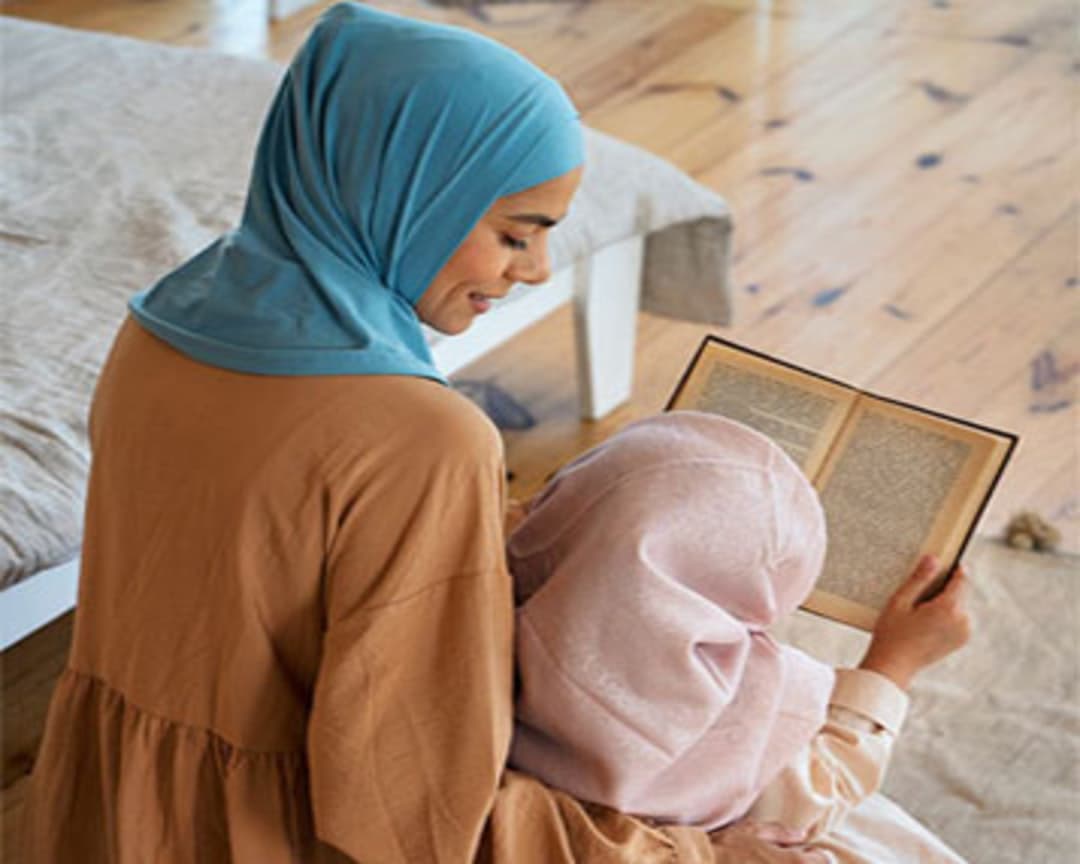
Photo by Bayan Al Quran Academy on Unsplash
My 9-year-old slammed his Arabic workbook shut so hard that his pencil bounced off the kitchen table. "I hate this! Why do I have to learn stupid Arabic letters when none of my friends do?"
I'd been here before — the tears, the frustration, the "why me?" complaints that every diaspora parent knows by heart. But this particular meltdown happened on a Tuesday evening when I was already running on fumes, and honestly? I almost threw in the towel.
Instead, I sat down next to him and asked a question that changed everything: "What if we threw away the homework for a week?"
When Traditional Methods Stop Working
Here's what I learned that night: sometimes our biggest breakthrough comes when we stop forcing the old playbook.
For months, we'd been following the same routine. Homework after English school. Worksheets on weekends. Drill, practice, repeat. It worked for about six weeks before my son started treating Arabic homework like a medieval torture device.
The problem wasn't the language. The problem was that I'd turned something beautiful — our family's heritage — into another chore on his already packed schedule.
The Week We Said No to Homework
That Tuesday night, I made a deal with my son. No Arabic workbooks for seven days. Instead, we'd try something different every day.
Wednesday: We watched Arabic cartoons while eating dinner. Not educational ones — just silly shows that made him laugh.
Thursday: I taught him to count money in Arabic using real coins from my pocket.
Friday: We called his jiddo (grandfather) and I challenged my son to ask three questions in Arabic. Any questions he wanted.
Saturday: We made ma'amoul cookies and I told him the Arabic names for all the ingredients as we measured them out.
By Sunday, something had shifted. He picked up his Arabic workbook — the same one he'd slammed shut — and asked if we could "do the fun page with the animals."
What Really Motivates Heritage Language Learning
That week taught me three things every diaspora parent needs to know:
Connection beats perfection. My son didn't need flawless Arabic grammar. He needed to feel connected to why Arabic mattered. When he heard his jiddo laugh at his mispronounced jokes, the language became real.
Context makes everything stick. Learning the word "sukkar" (sugar) while baking cookies worked better than memorizing it from a vocabulary list. His brain had somewhere to file that information.
Small wins build momentum. Successfully ordering knafeh in Arabic at our local Middle Eastern restaurant gave him more confidence than a hundred completed worksheets.
The New Homework Strategy That Actually Works
After that breakthrough week, we completely changed our approach to Arabic homework. Here's our new system:
Monday and Wednesday: Traditional practice — but only 15 minutes max. We use ta3allam.org for interactive exercises that feel more like games than drills.
Friday: Real-world application — we find one way to use Arabic outside our house. Sometimes it's greeting the cashier at the halal market. Sometimes it's reading Arabic street signs during errands.
Sunday: Family connection time — we call relatives, watch Arabic content, or cook together using Arabic vocabulary.
The homework still happens, but it's wrapped in purpose now.
Why This Approach Works for All Heritage Languages
Whether you're teaching Arabic, Armenian, or Greek, the principle is the same. Kids don't resist the language — they resist feeling disconnected from it.
My friend Anahit figured this out with her daughter's Armenian lessons. Instead of fighting over verb conjugations, they started baking choreg (Armenian braided bread) every Saturday morning. Her daughter learned more Armenian vocabulary in that kitchen than she had in six months of formal lessons.
Another parent in our Greek community told me his son finally clicked with Greek when they started watching Greek football matches together. Suddenly, learning numbers and colors had a purpose beyond schoolwork.
The Questions That Changed Our Homework Forever
Now, before any heritage language practice session, I ask my son three questions:
- "How will we use this today?" — not next year, not when he's older, but today
- "Who can we share this with?" — a relative, a community member, even our neighbor who speaks Arabic
- "What's one thing you're curious about?" — let their interests guide some of the learning
These questions transformed homework from something we endured into something we explored together.
Your Turn to Ditch the Battle
If homework time feels like a battlefield in your house, try our one-week experiment. Put away the workbooks and focus on connection instead. Cook together. Call relatives. Watch movies. Listen to music. Let the language live in your house instead of just existing on paper.
The worksheets will still be there next week. But the breakthrough you've been waiting for might happen when you're not looking for it — maybe while you're teaching your kid to make the perfect cup of Arabic coffee or showing them how to write their name in Greek letters on a steamy bathroom mirror.
Start with one day. See what happens when learning feels like play instead of work.