The Saturday Schools Fighting to Keep Our Languages Alive
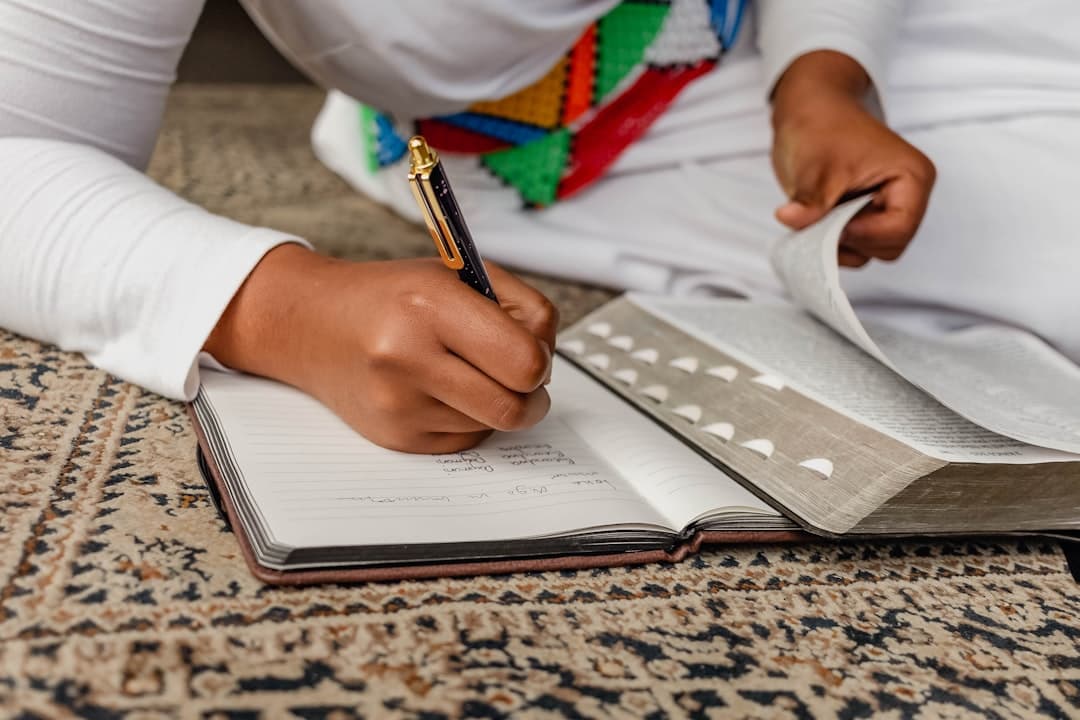
Photo by Sincerely Media on Unsplash
My daughter came home from Armenian Saturday school last week with paint under her fingernails and three new curse words she definitely didn't learn in Sunday school. When I asked her teacher about it, she just laughed. "We were painting Armenian folk tales, and Armen's grandfather visited to tell stories. You know how grandfathers talk."
That's the thing about heritage language schools — they're messy, imperfect, and absolutely essential.
What Makes Saturday Schools Different
These aren't your typical language classes. Walk into any Armenian Saturday school, Greek afternoon program, or Arabic weekend academy, and you'll find something closer to organized chaos than structured curriculum.
Kids are learning numbers while making ma'amoul cookies. They're practicing conjugations during folk dance breaks. They're absorbing history through stories their teachers heard from their own grandparents.
It's exactly what classroom learning can't replicate — culture and language tangled up together, the way they exist in real life.
The Volunteers Keeping It All Together
Let me be clear about something: these schools exist because of volunteers who could be doing literally anything else with their weekends. The Armenian school my daughter attends? Run by a software engineer who spends her Saturdays teaching kids the difference between Eastern and Western Armenian pronunciation.
The Greek program at St. Sophia's? Led by a retired nurse whose own kids are grown, but she shows up every week because "someone has to teach these children about their papous and yiayia."
These people aren't getting rich doing this. They're not even getting paid. They're there because they understand what we lose when a language disappears from a family.
Finding Your Community's Hidden Gems
Here's what I wish someone had told me years ago: these schools exist in almost every diaspora community, but they're terrible at marketing themselves.
Start with your local church or cultural center. Even if you're not religious, the Saturday Greek school usually meets in the church basement. The Arabic program might be at the mosque's community hall. Armenian schools often rotate between different churches throughout the year.
Check Facebook groups for your heritage community. Search for "[Your City] + [Heritage Language] + Kids" or "[Heritage] School [Your City]." Post in local parenting groups — other diaspora parents will point you in the right direction.
Ask at the grocery store that sells your grandmother's favorite ingredients. The owner probably knows where the kids are learning the language. These communities are smaller than we think, and everyone knows everyone.
What to Expect (Spoiler: It's Wonderfully Chaotic)
Your first Saturday will feel overwhelming. Kids will be running around speaking three languages at once. Teachers will be calling out instructions while someone's mom sets up the snack table. There will be at least one child crying because they don't want to practice their letters.
This is normal. This is good.
The 8-year-old who refuses to participate today might be the one teaching folk songs to younger kids next year. The shy teenager who barely speaks Arabic in class might volunteer to help with the cultural festival in six months.
Heritage language schools work on diaspora time — longer than you expect, but worth the wait.
Supporting Schools That Aren't Perfect
Let's address the elephant in the room: some heritage language schools are better organized than others. Some have outdated materials. Some rely too heavily on rote memorization. Some struggle with attendance.
Support them anyway.
Bring supplies when asked. Volunteer for events even if you can't teach. Share their posts on social media. Donate when they fundraise. Show up consistently, even when your kid complains.
These schools improve when the community invests in them, not the other way around.
Creating What Doesn't Exist
No heritage language school in your area? I get it. My family moved to a city with exactly zero Armenian educational programs, and I spent two years driving 45 minutes each way to the nearest Saturday school.
But here's something I learned: starting a program is easier than you think. You need three families, one willing teacher, and a place to meet. The local library might let you use their community room. The community college might have classroom space on weekends.
Reach out to established heritage language schools in other cities. They'll share curriculum ideas, teacher training resources, and moral support when your first attempt feels like controlled chaos.
Why This Matters More Than Apps
DiasporaLearn exists because I believe heritage language learning should be accessible to everyone. But digital tools can't replace what happens when twelve kids are crowded around a table, arguing in two languages about the right way to pronounce their grandmother's name.
Saturday schools create something we can't code: community. Kids learn that other families speak their heritage language at home. They meet adults who aren't their parents but share their cultural background. They discover they're not the only ones navigating between two worlds.
Your heritage language school might meet in a church basement with mismatched chairs and a temperamental projector. The teacher might be someone's aunt who learned pedagogy through trial and error. The curriculum might be a mix of photocopied worksheets and YouTube videos.
It's still the best investment you can make in your child's cultural future. Find your local Saturday school. Show up. Stay involved. Watch what happens when kids realize their heritage language connects them to something bigger than themselves.