The Word That Unlocks Every Door: Teaching 'Welcome' in Three Languages
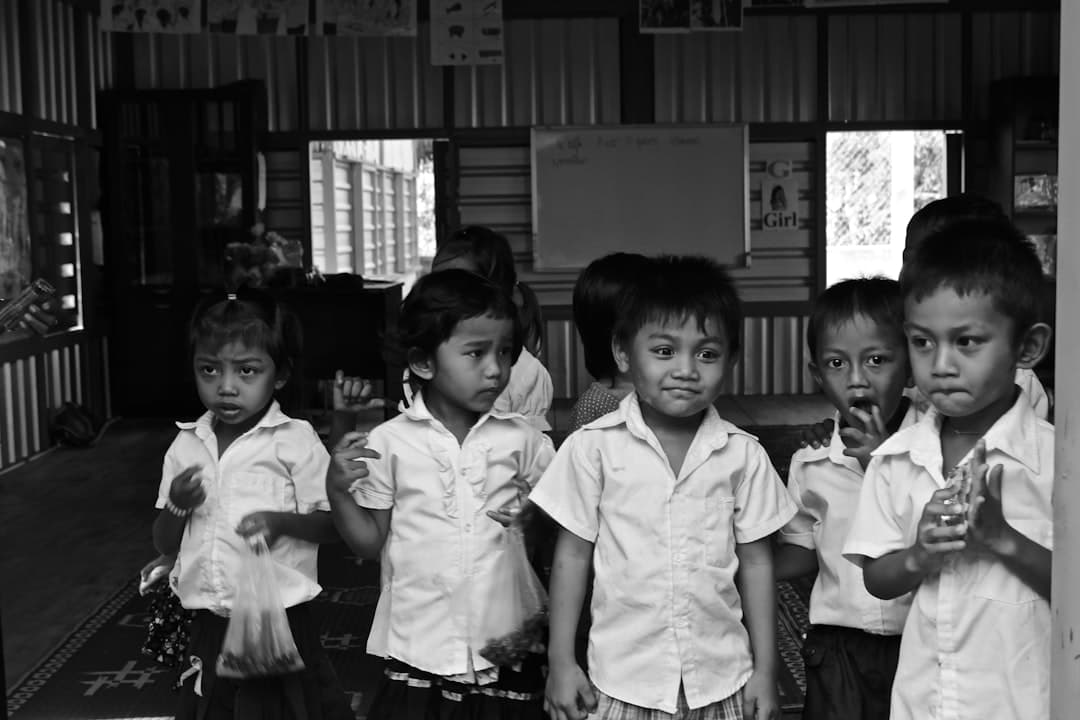
Photo by Camille on Unsplash
My neighbor knocked on my door last Tuesday with a casserole dish and an apology. Her teenage son had accidentally kicked his soccer ball into our garden and crushed my tomato plants. Before I could even process what happened, the word tumbled out of my mouth: "أهلاً وسهلاً" — ahlan wa sahlan.
She stood there, confused, holding the casserole. I laughed and switched to English: "You're welcome here, don't worry about it." But something was lost in translation. The Arabic phrase carries weight that "you're welcome" simply doesn't touch.
This is your heritage language word of the week: Welcome.
More Than Just Politeness
In Armenian, Greek, and Arabic, the word for "welcome" isn't just social politeness — it's a cultural cornerstone. These aren't throwaway phrases you mutter at guests. They're declarations of belonging, safety, and honor.
Armenian: Բարի գալուստ (Bari galust) Literally "good coming" — you're acknowledging that someone's arrival is inherently good.
Greek: Καλώς ήρθατε (Kalos irthate)
"You came well" — their presence improves the situation.
Arabic: أهلاً وسهلاً (Ahlan wa sahlan) "Family and ease" — you're not just a guest, you're family, and everything should be easy for you.
See the difference? English "welcome" is polite. Our heritage languages make welcome a promise.
Why Your Kids Need This Word First
I've watched too many heritage language students learn colors and numbers while staying silent when relatives visit. They can count to ten in Arabic but can't properly greet their Lebanese grandfather. They know Greek animal names but freeze when their yiayia's friends come for coffee.
Start with welcome because it opens every other conversation.
When your child masters this word — really masters it, with the cultural understanding — they become active participants in your community gatherings instead of shy observers hiding behind your legs.
Teaching Welcome the Right Way
Don't just drill pronunciation. Build the cultural context first.
Tell them why your Armenian great-grandmother always prepared extra food — because someone might need welcome. Explain why Greek homes always have guest slippers by the door. Share why Arabic speakers repeat "ahlan wa sahlan" multiple times — once isn't enough to properly honor a guest.
Make them practice on real people, not just with you. The word only has power when it connects to actual welcome.
The Practice That Actually Works
Here's what I do with my own kids, and what works with DiasporaLearn families:
Week 1: Learn the phrase perfectly. Pronunciation, rhythm, the works. No cultural lesson yet — just muscle memory.
Week 2: Tell the stories. Why this word matters. What it meant to your grandparents. How welcome saved your family when they first arrived in this country.
Week 3: Use it authentically. Every guest gets welcomed properly. Every family gathering starts with the heritage language welcome. No English shortcuts.
Week 4: Notice the reactions. Watch how your elderly relatives light up. See how other community members respond differently to your child.
When Welcome Changes Everything
Three months after starting this practice, a mother from our Greek program called me. Her 8-year-old daughter had properly welcomed the priest during a house blessing. In Greek. With confidence.
"Father Dimitri stopped mid-prayer," she told me. "He said it was the first time in years a child had greeted him that way. My daughter glowed for the rest of the day."
That's the power of this word. It's not vocabulary — it's belonging.
The Ripple Effect
Once your child owns "welcome" in their heritage language, everything else gets easier. They have a reason to keep learning — they want to continue conversations they start with welcome.
They understand that language isn't just communication, it's culture in action. They feel the weight of words, the responsibility of carrying forward something precious.
Start This Week
Choose your family's heritage language version of welcome. Practice it until it's automatic. Tell your children why their great-grandmother would have loved to hear them say it.
Then put it to work. Every visitor, every relative, every community gathering — let your child be the one who offers proper welcome.
Watch how it changes not just their language learning, but their place in your diaspora community. Some words teach vocabulary. This word teaches identity.
Ready to give your child the key to authentic cultural connection? Head to your heritage language platform — hyelearn.com for Armenian, mathaino.net for Greek, or ta3allam.org for Arabic — and practice welcome with proper pronunciation guides and cultural context.
Because the door to heritage language fluency opens with knowing how to properly welcome others through it.